Winter Showings 101: What First-Time Buyers Miss When Everything Is Covered in Snow
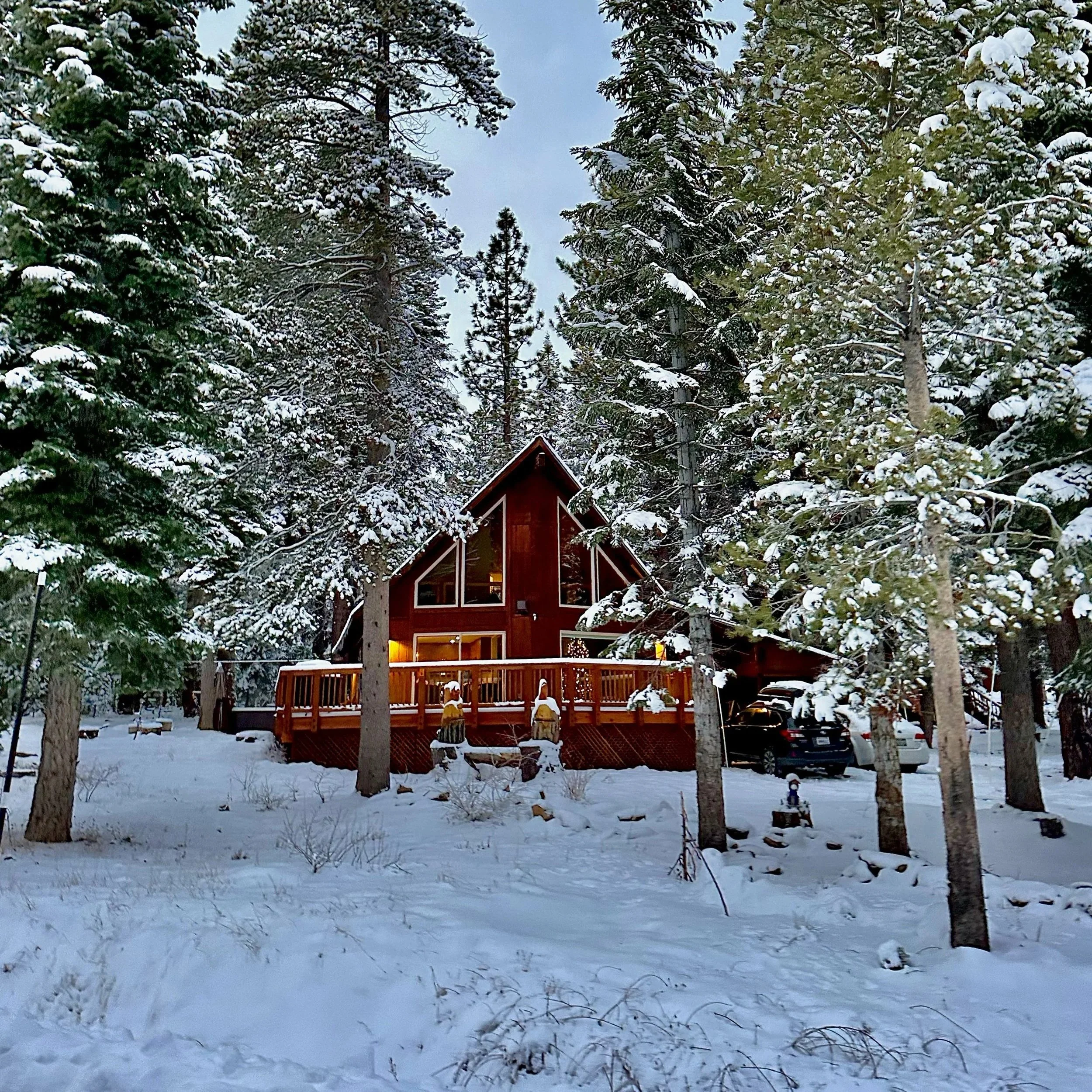
Winter can be a magical time to look at homes. Snow on the trees. Cozy fireplaces. That “we could really live here” feeling hits fast.
But winter showings also hide things. And first-time buyers often do not realize what they are missing until after they are under contract.
If you are touring homes in the winter, here is what you should pay extra attention to when everything outside looks like a Hallmark movie.
1. Drainage Problems Are Easy to Hide
Snow and frozen ground can mask major drainage issues.
That sloping yard that looks peaceful under snow may funnel water straight toward the foundation in the spring. Basement moisture, pooling near bulkheads, and soggy lawns often only show themselves after thaw.
What to do:
Look for water stains in basements and garages
Check the grading around the home, even if it is frozen
2. The Roof Is Doing a Lot of Work Right Now
Winter is when roofs are truly tested.
Ice dams, uneven snow melt, and heavy snow loads can point to insulation or ventilation problems. But you cannot see shingles clearly, and minor roof issues are easy to miss.
What to do:
Look for icicles forming along the roof edges
Check attic spaces for moisture or staining
Ask about the age of the roof and if ice dams have been an issue
3. The Yard You Are Buying Is Invisible
That backyard looks quiet in winter. But size, slope, sun exposure, and privacy all change dramatically once leaves grow back.
First-time buyers often assume winter yards equal low maintenance. That same yard could be muddy, shaded, or mosquito-heavy in summer.
What to do:
Ask for photos from other seasons
Check lot lines and fencing carefully
Consider where snow is piled and where water will drain
4. Heating Systems Matter More Than Ever
In winter, you are not guessing whether the heat works. You are experiencing it.
This is actually a huge advantage if you know what to watch for.
What to do:
Notice temperature consistency from room to room
Listen for loud or frequent cycling
Ask about fuel costs and average winter bills
If a home struggles to stay warm during a showing, that matters.
5. Exterior Wear and Tear IS HARD TO SEE
Snow hides cracked walkways, damaged siding, rotting trim, and foundation issues.
Buyers often focus on interiors in winter and forget that exterior repairs can be some of the most expensive.
What to do:
Look closely at where the snow has melted
Inspect window trim and siding edges
6. Natural Light Is Not at Its Best
Winter light is different. Days are shorter, trees are bare, and homes can feel darker than they will most of the year.
Some buyers overestimate how dark a home will feel long term. Others underestimate how much they value sunlight.
What to do:
Note window size and direction, not just the brightness that day
The Good News About Winter Buying
Winter buyers are often serious buyers. Fewer bidding wars. Sellers who are motivated. And homes that perform well in winter often perform well year round.
You just need to know what questions to ask and what to look past.
That is where having a knowledgeable agent matters most.
If you are touring homes this winter and want help spotting what snow is hiding, I am always happy to walk through it with you. Literally.
Warm boots recommended.