What to Look for When Visiting Elderly Family Members During the Holidays: Signs They May Need More Care
The holidays are a time for family to come together, but they also offer a unique opportunity to assess the well-being of elderly relatives. Whether you're visiting your parents, grandparents, or another senior family member, it’s important to be vigilant and aware of potential signs that they may need more help or care. Here are some key things to watch for during your visit that could indicate they might require additional support.
1. Physical Appearance and Hygiene
When visiting an elderly family member, pay attention to their physical appearance. A decline in personal hygiene can be a subtle but significant indicator that they may be struggling to manage on their own.
Look for:
Unkempt hair or clothing
Body odor
Dirty or untrimmed nails
Weight loss or gain
While occasional lapses in personal grooming are not uncommon, consistent neglect can be a sign of declining health or cognitive function.
2. Household Maintenance
The state of their home can offer clues to their ability to manage daily tasks. If you notice that the house is unusually cluttered, dirty, or has broken items that have not been repaired, this could indicate they are having trouble maintaining their environment.
Pay attention to:
Piles of unopened mail or bills
Unwashed dishes or laundry
Messy or unsafe areas (e.g., tripping hazards like loose rugs)
Unused or expired medications
This could point to physical limitations or cognitive issues, making it difficult for them to keep up with household chores.
3. Mobility and Physical Health
If your loved one has difficulty moving around or seems unsteady on their feet, this is a major red flag. Falls are common among the elderly, and they can lead to serious injuries.
Observe their:
Walking speed and balance
Use of assistive devices like walkers or canes
Any signs of bruising or unexplained injuries
Increased difficulty with mobility or frequent falls may signal a need for additional support, such as physical therapy or even in-home care assistance.
4. Mental and Cognitive Health
The holidays provide a great opportunity to engage in meaningful conversations with your elderly relatives. Keep an eye out for changes in their cognitive abilities.
Some signs that they might need additional care or support in this area include:
Memory problems (e.g., repeating the same questions or stories)
Confusion about familiar places or people
Difficulty following conversations
Sudden changes in mood or behavior, such as agitation or sadness
These signs could indicate the onset of conditions like dementia or Alzheimer’s, which may require professional intervention.
5. Changes in Appetite or Eating Habits
A loss of interest in food or sudden changes in appetite can be a sign that your loved one is struggling emotionally or physically.
Look for:
A lack of interest in eating or cooking
Unexplained weight loss or malnutrition
Spoiled or expired food in the kitchen
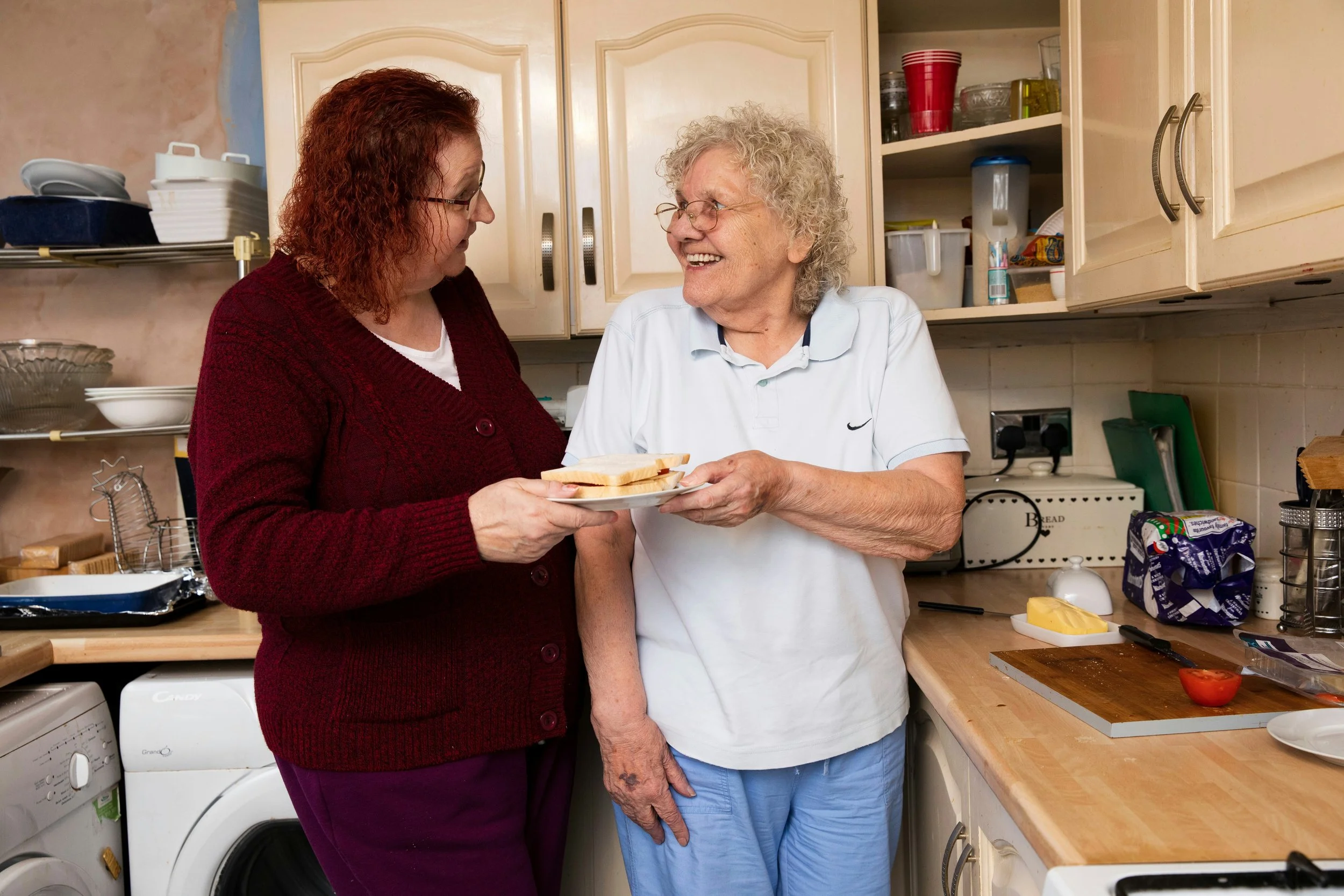
In some cases, elderly individuals may have difficulty preparing meals due to physical limitations, depression, or cognitive decline. You may need to consider meal delivery services or regular assistance to ensure they are getting the nutrition they need.
6. Social Isolation
Many seniors experience isolation, especially if they are unable to get out much during the winter months. If your loved one seems withdrawn or mentions feeling lonely, this can be a sign that they may need more social interaction.
Be mindful of:
Withdrawal from social activities or hobbies they once enjoyed
Lack of interest in visitors or phone calls
Expressing feelings of loneliness or sadness
Social isolation can contribute to depression and a decline in overall health, so finding ways to help them connect with others is crucial.
7. Financial or Legal Concerns
Some seniors may struggle to keep up with their financial responsibilities, either due to cognitive decline or physical limitations.
Be alert for:
Unpaid bills or overdue notices
Financial statements that are hard to understand
Evidence of suspicious or unfamiliar charges
If you suspect your loved one is having trouble managing their finances, it may be time to have a conversation about hiring a financial advisor or considering a power of attorney.
8. Changes in Sleep Patterns
Changes in sleep patterns are common as we age, but significant disruptions can signal underlying health issues.
Watch for:
Difficulty falling or staying asleep
Increased daytime napping or fatigue
Restlessness or nightmares
These sleep disturbances may be linked to physical pain, medication side effects, or mental health concerns, and should be addressed with their healthcare provider.
What to Do If You Notice Any of These Signs
If you notice any of these warning signs, don’t panic. Instead, approach the situation with care and understanding. Have a candid conversation with your loved one about their well-being and offer support. Depending on the severity of the issues you observe, you may need to:
Arrange for a medical check-up or cognitive assessment.
Discuss the possibility of hiring an in-home caregiver or exploring assisted living options
Look into resources like meal delivery services or transportation assistance.
Provide emotional support by encouraging social interactions and regular communication
The holidays are a time to cherish family, and they also offer an opportunity to make sure your loved ones are safe, healthy, and receiving the care they need. By staying vigilant and compassionate, you can ensure that your elderly family members are not just celebrating the holidays but are also supported in maintaining their well-being.